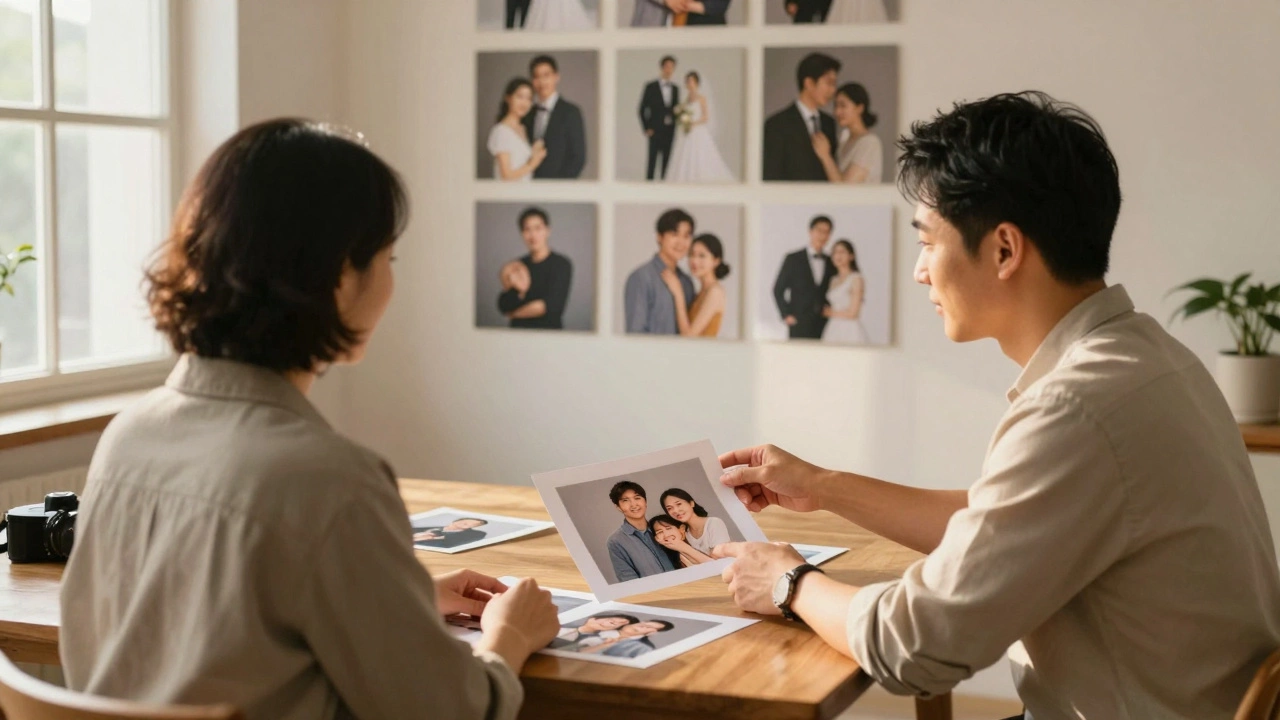
Choosing a professional photographer isn’t about picking the cheapest option or the one with the most likes on Instagram. It’s about finding someone who can capture moments the way you want them remembered - sharp, honest, and full of feeling. Too many people skip the research and end up with blurry photos, awkward poses, or a photographer who disappears after the shoot. That’s not just frustrating - it’s expensive. A good photographer doesn’t just point and click. They see light, timing, and emotion. They know how to guide you without making you feel like a prop. And they deliver what they promise.
If you’ve ever scrolled through local listings and found yourself wondering why some photographers charge $500 while others charge $5,000, you’re not alone. The difference isn’t always the camera. It’s experience, reliability, and how they handle the messy, unpredictable parts of real life. One client hired a photographer after seeing a portfolio of studio portraits - only to find out they’d never shot a wedding in natural light. Another chose someone based on a viral TikTok video, but their editing style was so overprocessed, the family looked like cartoon characters. Don’t make those mistakes.
Start by asking yourself: what kind of photos do you need? Are you looking for a corporate headshot that says "I’m trustworthy and calm"? A family session where the kids are actually smiling? A wedding that feels like a movie, not a checklist? Your goal shapes everything. A portrait photographer isn’t the same as a real estate shooter, and neither is the same as someone who specializes in newborns. Don’t hire a generalist if you need a specialist. Look at their portfolio for work that matches your exact situation. If you’re planning a destination engagement shoot, do they have photos from other outdoor locations? If you need a headshot for your LinkedIn profile, do they have clean, natural-looking shots with good lighting - not just selfies with ring lights?
Don’t just look at the final images. Look at the consistency. One great shot doesn’t mean they’re good. Ten great shots in a row do. Scroll through 20+ images from the same session. Are the colors balanced? Is the focus sharp in every frame? Do the expressions feel real, or staged? If you see a few standout photos but the rest are flat or poorly lit, walk away. Professional photographers don’t luck into good shots - they plan for them. They know how to use available light, how to position subjects, and how to adapt when the weather changes or the toddler throws a tantrum.
Ask for references. Not just testimonials on their website - real names and numbers. Call two past clients. Ask: Did they show up on time? Did they communicate clearly before and after? Did they deliver on schedule? Did they handle unexpected issues calmly? A photographer who misses deadlines or ghostwrites emails after the shoot isn’t worth the price tag, no matter how pretty their Instagram feed looks. One bride told me she hired someone because their website had a video of a sunset ceremony - but when her own wedding ran late due to traffic, the photographer left after 90 minutes. That’s not professionalism. That’s negligence.
Contracts matter. A lot. If they don’t have one, that’s a red flag. A good contract spells out what you’re paying for: hours of coverage, number of edited photos, delivery timeline, usage rights, and cancellation policies. No contract? No deal. Some photographers offer packages with vague terms like "unlimited photos" - which usually means they’ll send you 1,200 blurry JPEGs and charge extra for the 10 you actually want. Others give you exactly 50 high-res, edited images with full rights to print and share. Know what you’re getting. And if they won’t put it in writing, assume they won’t deliver it either.
Style matters more than gear. You don’t need a Canon 5D Mark IV to take great photos. You need someone who understands composition, emotion, and timing. A photographer with a $3,000 camera and no sense of rhythm will produce dull, lifeless images. Another with a $500 mirrorless camera and an eye for detail will make magic. Look at their editing style. Do they prefer bright and airy? Moody and dramatic? Natural tones? Avoid anyone who uses heavy filters or presets that make every photo look the same. Authenticity beats polish every time.
Price isn’t always an indicator of quality, but it’s a clue. If someone charges $100 for a full-day wedding shoot, they’re either brand new, underinsured, or not serious about their craft. The average professional photographer in the U.S. charges between $1,500 and $4,000 for a wedding, depending on location and experience. For portraits or commercial work, expect $150-$500 per hour. Anything below that range should raise questions. Why are they so cheap? Are they using assistants? Do they have insurance? Can they legally operate as a business? Don’t assume low price = good deal. Often, it’s a trap.
Meet them in person - or at least on video. Chemistry counts. You’re going to be spending hours with this person. If they make you feel nervous, rushed, or judged, they’re not the right fit. A great photographer puts you at ease. They joke around, give gentle direction, and make you forget the camera is there. That’s how you get natural smiles. That’s how you get real moments. If they seem stiff, overly formal, or more interested in their own brand than your story, keep looking.
Some photographers offer extras: albums, prints, second shooters, raw files. These aren’t just upsells - they’re part of the experience. Ask what’s included and what costs extra. Don’t be afraid to negotiate. Many pros will adjust packages if you’re flexible on timing or location. But don’t push too hard on price if it means cutting corners on service. You’re not buying a product. You’re buying a memory.
And while we’re on the topic of memory - if you’re in London and you’ve ever wondered what it’s like to work with someone who understands the city’s light, rhythm, and energy, you might come across euro girls escort london. It’s not photography, but it’s a reminder that in a city full of options, the right person makes all the difference. Whether it’s a model, a guide, or a shutterbug - trust, clarity, and professionalism matter.
After the shoot, pay attention to the delivery timeline. A good photographer sends you a sneak peek within a week. Full gallery within two to four weeks. If they say "it’ll take six weeks" and then disappear for three months, that’s a pattern. You’re paying for their time - not their schedule. Ask upfront: when will I get my photos? What format? How will I access them? Will you be available if I need a print later? These are not small questions. They’re part of the service.
Finally, don’t fall for the hype. Don’t hire someone just because they were featured in a magazine or tagged by a celebrity. Real talent doesn’t need a PR team. Look at the work. Listen to the clients. Trust your gut. The best photographer isn’t the loudest or the most expensive. They’re the one who shows up, stays calm, and makes you feel seen.