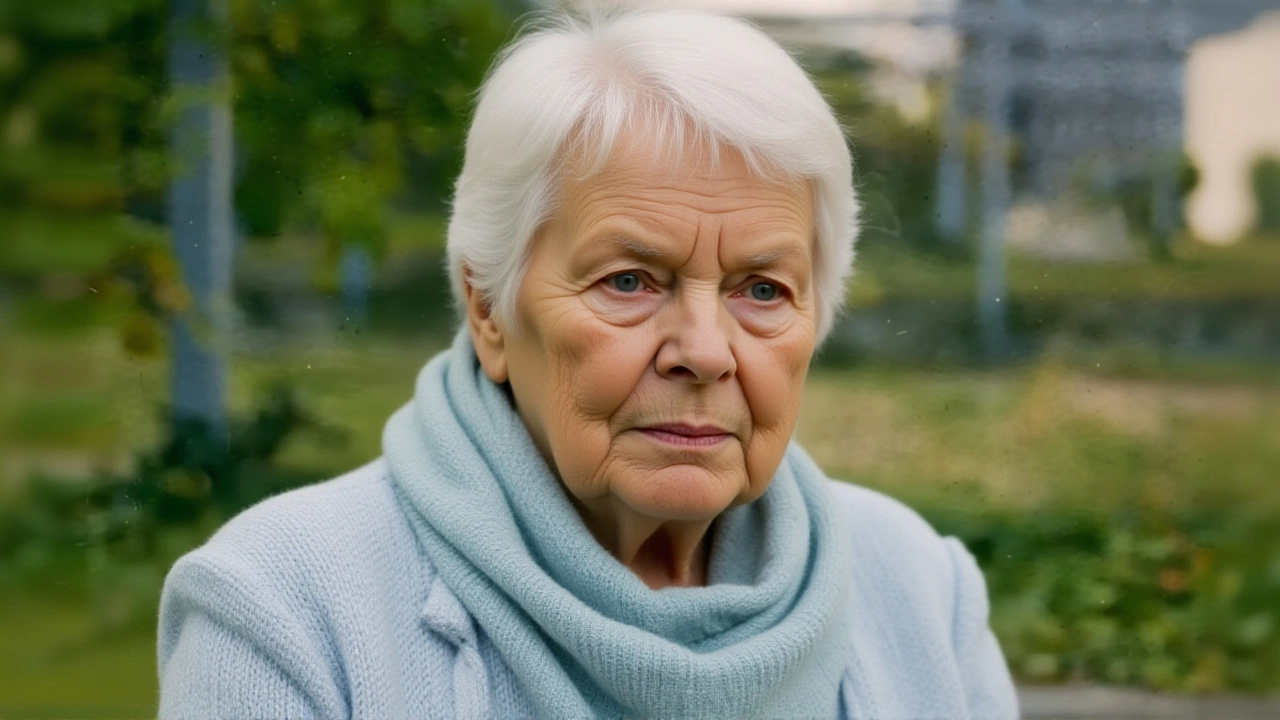
She’s played queens, spies, and Shakespearean heroines—but when it came to Judi Dench filming The Chronicles of RiddickVancouver in 2003, she was completely lost. "I never quite knew what was going on," the 89-year-old British icon confessed in a May 2024 interview with Far Out Magazine. And yet, she insists: "I loved making it." The contradiction isn’t as odd as it sounds. For Dench, the magic of acting has never been about understanding the script—it’s about showing up, feeling the moment, and trusting the process.
Confusion on Set, Joy in the Process
The 2004 sci-fi sequel to Pitch Black, starring Vin Diesel as the brooding antihero Riddick, was a visually dense, effects-heavy spectacle. Dench played the icy, powerful Empress Vahna, a role that required her to navigate alien landscapes, cryptic dialogue, and CGI-heavy environments. "I didn’t know who was good, who was bad, or why we were all shouting in that weird language," she told journalist Aimee Ferrier. "But I knew the costume felt right. I knew the director believed in it. And I knew I was having fun." That’s the essence of Dench’s approach. She’s never been one to overanalyze. Her career, spanning over six decades since her 1957 stage debut with the Old Vic Company, has been built on instinct, discipline, and a refusal to be intimidated by complexity. "I’ve never needed to know the whole map," she said. "I just need to know where my next step is."From Theater to Film: A Reluctant Star
Long before she became a household name in the James Bond films as M, Dench was a Shakespearean purist. In a 2023 interview with The Talks, she recalled a director early in her career who told her, "You’ll never make a film." She laughed it off. "That didn’t scare me. I didn’t want to make films. I wanted to stand on a stage and say ‘To be or not to be’ under real lights." Her reluctance wasn’t arrogance—it was devotion. Theater, she says, was where truth lived. Film felt artificial. But Hollywood kept knocking. From Shakespeare in Love to Philomena, she gradually found herself drawn to roles that challenged her, even if she didn’t fully grasp the narrative. "Sometimes the best performances come from not knowing," she mused. "You’re just reacting. That’s real."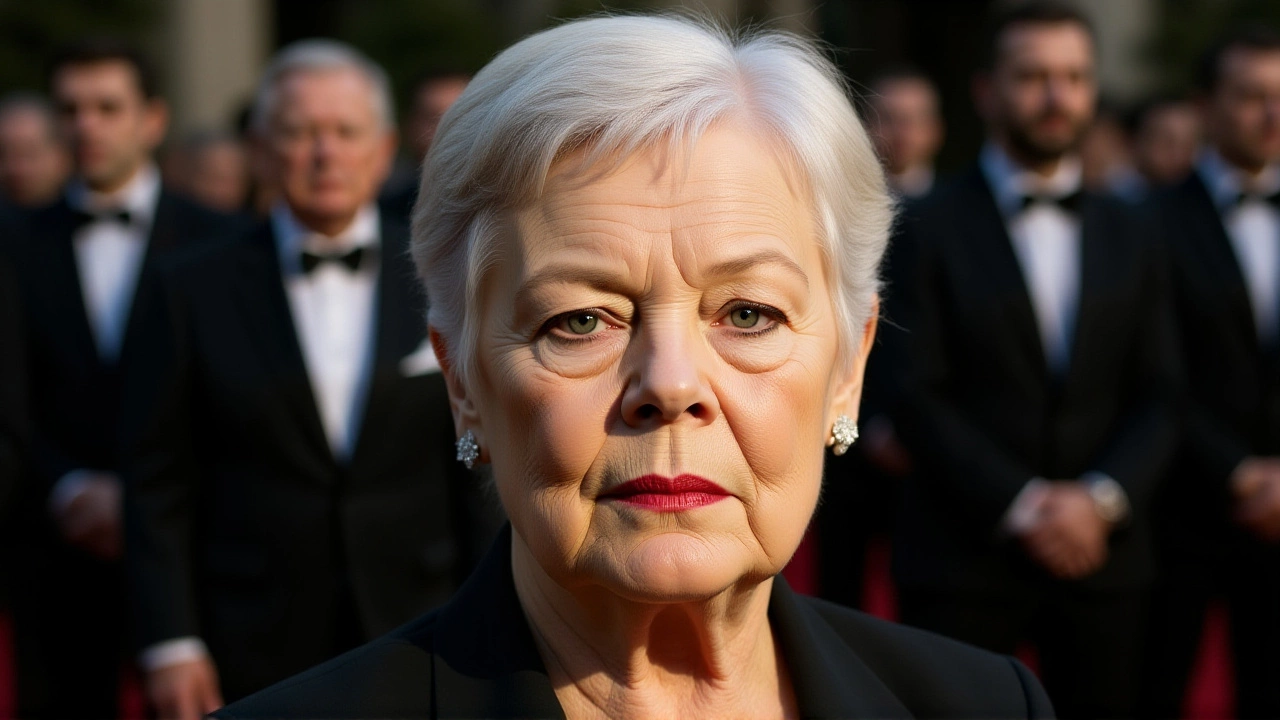
Vision Loss, Unbroken Spirit
In 2012, Dench was diagnosed with age-related macular degeneration (AMD). The condition has steadily eroded her central vision. She can no longer read scripts without magnifiers. She gave up driving at 85. "I loved driving that old MG," she said. "No test needed—I just knew how to steer. Now I can’t even see the road signs." Yet her work hasn’t slowed. She still takes on roles, often memorizing lines through audio recordings or relying on directors to guide her positioning. "I have nothing to do!" she jokes about her limited sight. "So I learn things. I read about birds. I learned a word the other day—‘anatidaephobia.’ It’s the fear that somewhere, somehow, a duck is watching you." It’s not just whimsy. It’s survival. Dench’s mind refuses to settle. "I have an irrational fear of boredom," she admitted. "And I want to learn something new every day."Legacy Beyond the Script
Far Out Magazine also noted Dench’s surprising humility. "Even legends have heroes," the piece observed, pointing to her reverence for fellow actors like Maggie Smith and her longtime collaborator, director Stephen Frears. She doesn’t boast about her knighthood (DBE, 1988) or her Oscar. Instead, she talks about the actors who inspired her—and the ones she still admires. She’s also unapologetic about projects that baffled critics. When asked about "the awful movie I wouldn’t apologize for," she shrugged: "As far as I know, that’s a first." The film remains unnamed, but the attitude is clear: art isn’t about approval. It’s about courage.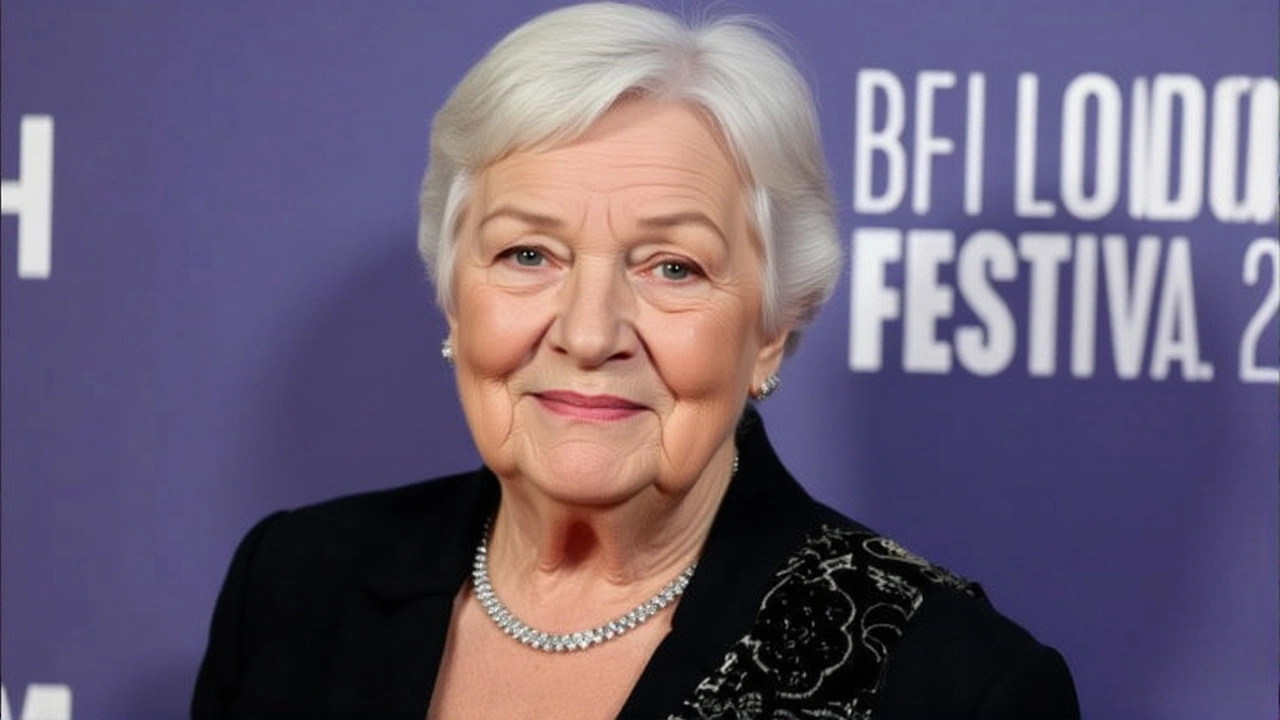
What’s Next?
Despite her vision loss, Dench shows no signs of retirement. "There’s still time," wrote Ferrier. And Dench agrees. She’s currently attached to a new British drama, rumored to be a period piece set in post-war Yorkshire. She won’t confirm details—but she’s already rehearsing lines in her head, whispering them to the cat. Her philosophy remains unchanged: "What is good enough? Who is to say? And why should it even be read by anybody else? We are bound by these funny structures, which you have to break." For Dench, the story doesn’t matter as much as the feeling. And in a world obsessed with plot twists and streaming algorithms, that’s the most radical thing of all.Frequently Asked Questions
Why didn’t Judi Dench understand The Chronicles of Riddick?
Dench has admitted the film’s dense sci-fi world, cryptic dialogue, and heavy CGI made the plot difficult to follow—even for her. But she’s never relied on understanding the whole story to deliver a performance. Her focus has always been on emotional truth, physical presence, and trusting the director’s vision, which allowed her to thrive despite the confusion.
How has age-related macular degeneration affected her acting?
Dench can no longer read scripts without magnification or drive, but she adapts by using audio recordings, relying on directors for spatial cues, and memorizing lines through repetition. Her ability to convey emotion through voice and subtle gesture has only deepened, turning her visual limitations into a more intuitive, internalized style of performance.
Did Judi Dench always want to be in films?
No. Dench trained as a stage actress and initially dismissed film as artificial. She was deeply devoted to Shakespeare and the live theater experience with the Old Vic Company. It wasn’t until later in her career that she embraced film roles, often taking them on out of curiosity or admiration for the director—not because she wanted fame.
What does Dench mean by ‘anatidaephobia’?
Anatidaephobia is a fictional term Dench discovered and adopted as a playful metaphor for feeling watched or judged. Though not a real clinical phobia, she uses it to highlight how humans obsess over perception—something she finds both absurd and fascinating. It reflects her curiosity about the quirks of the human mind, even as her vision fades.
Is Judi Dench still working?
Yes. Despite her vision loss, Dench remains active in film and theater. She’s attached to a new British period drama and continues to take on roles that challenge her creatively. She doesn’t plan to retire, saying, "There’s still time." Her latest projects focus on emotional depth over spectacle, aligning with her lifelong belief that performance is about truth, not spectacle.